The Rise of NFTs: How Digital Innovation is Transforming the Art and Collectibles Market
The Transformation of Art Through NFTs
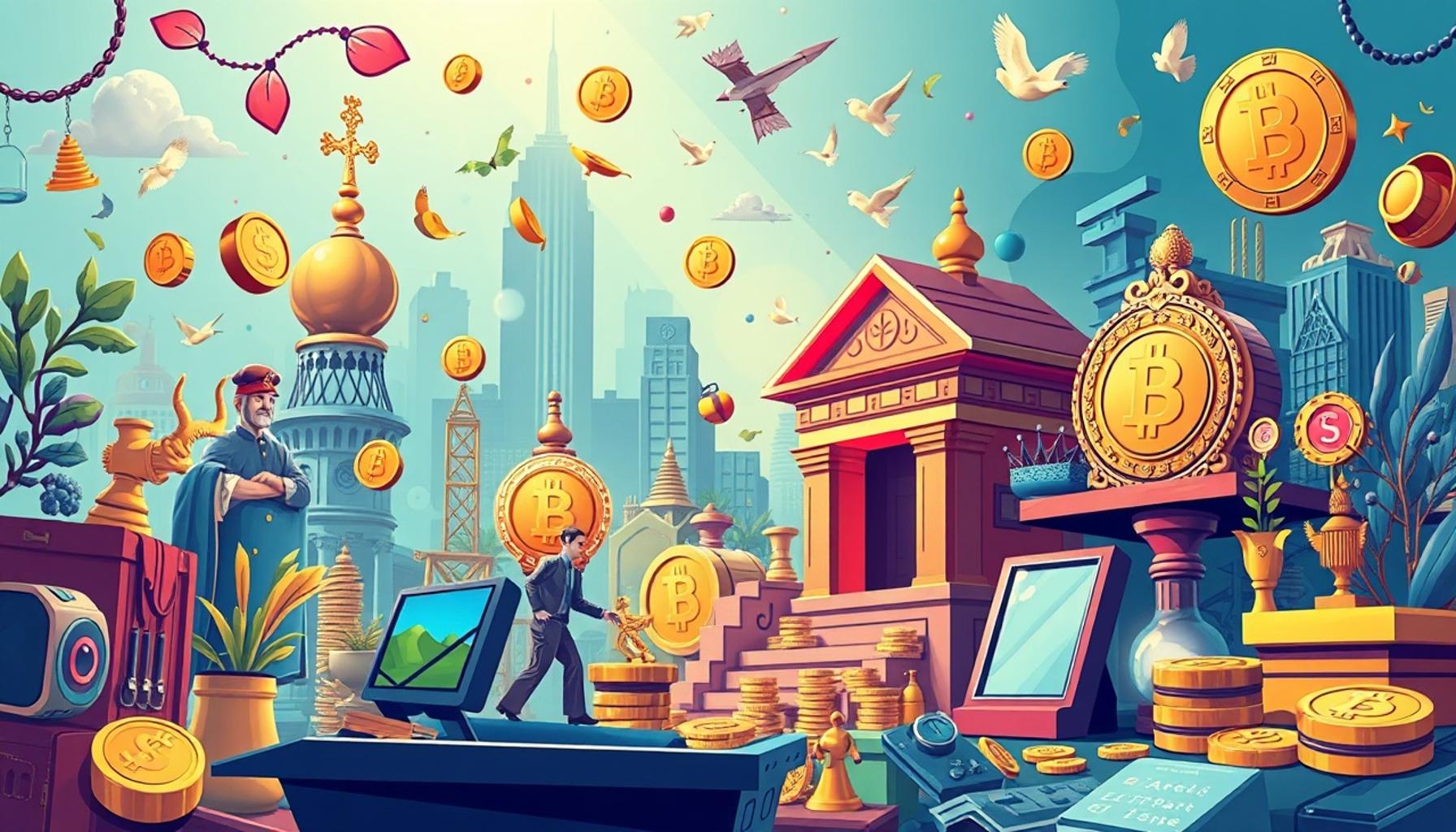
The introduction of non-fungible tokens (NFTs) has brought about a transformative change in the art and collectibles landscape. NFTs serve as unique digital assets that represent ownership of a specific item or piece of content on the blockchain. This ensures that no two NFTs are identical, much like how each original painting is unique. This revolution is reshaping the relationships between creators, collectors, and investors in ways that were previously unimaginable.
Ownership Verification
One of the most significant advantages of NFTs is their ability to provide secure and transparent ownership verification. Through the use of blockchain technology, NFTs keep a recorded history of each transaction, which makes it easy to trace the ownership of a piece from its creator to the current owner. This level of transparency is particularly valuable in the art world, where the value can often be clouded by questions of authenticity. For example, collectors looking at a piece of digital art can easily verify that it’s an original by checking its NFT, which acts as a digital certificate of authenticity.
Accessibility for Artists
NFTs also have the potential to dramatically increase accessibility for artists. Traditionally, many artists faced barriers that limited their visibility and opportunities to sell their work, such as high gallery fees or geographic constraints. With the rise of NFT marketplaces like OpenSea and Rarible, artists can now showcase and sell their creations directly to a global audience. This democratization of the market allows even emerging artists to break into the industry without needing a physical space.
New Revenue Streams
Furthermore, NFTs offer new revenue streams that benefit creators beyond the initial sale of their work. Typically, artists might receive only a one-time payment for their labor. However, with NFTs, many platforms allow creators to earn a percentage in royalties each time their work is resold. This model retains a continuous income for artists, reflecting the rising value of their work throughout time. For example, if a digital artist sells an NFT for $1,000 with a 10% royalty agreement, they would earn $100 every time that NFT is resold in the future.
Real-World Implications
The implications of NFTs are not limited to established artists; they empower newcomers as well. Case studies of high-profile sales, such as Beeple’s digital collage selling for an astounding $69 million, illustrate the potential value within this new market. As more creators engage in this space, the collectibles market is experiencing explosive growth, with numerous platforms enabling the creation and sale of diverse digital art pieces.
Conclusion
As we navigate this evolving landscape, it’s essential to consider both the benefits and the challenges posed by NFTs within the art world. While they present exciting opportunities for artists and collectors alike, there are questions regarding environmental impact, copyright issues, and market volatility to ponder. Gaining a deeper understanding of these dynamics will undoubtedly help enthusiasts make informed decisions in the realm of digital art and collectibles.
DIVE DEEPER: Click here to explore hybrid education revolution
Understanding NFTs: The Basics
To fully appreciate the impact of non-fungible tokens (NFTs), it is essential to grasp the foundational elements that characterize them. Unlike cryptocurrencies such as Bitcoin or Ethereum, which are interchangeable and can be exchanged for one another at equal value, NFTs are unique. Each NFT contains distinct information that makes it different and non-substitutable, which is a crucial factor in valuing digital art and collectibles.
The Technology Behind NFTs
NFTs are built on blockchain technology, a decentralized digital ledger that records transactions across multiple computers. Each NFT is secured via this ledger, ensuring its authenticity and ownership through an immutable record. This means that when someone purchases an NFT, their ownership is recorded in a way that cannot be altered or deleted. The most common blockchain for NFTs is Ethereum, known for its smart contract functionality, which facilitates the creation and distribution of these digital assets.
Popular Use Cases
NFTs have become popular in various areas beyond just art, highlighting their versatility and increasing acceptance. Here are some notable use cases:
- Digital Art: Artists can tokenize their creations, ensuring authenticity and allowing for secondary sales through royalty agreements.
- Music: Musicians are releasing albums and exclusive content as NFTs, providing fans with unique experiences and ownership.
- Gaming: In-game assets such as skins, characters, and virtual land can be owned as NFTs, creating real financial value for gamers.
- Sporting Moments: Platforms like NBA Top Shot allow users to buy, sell, and trade officially licensed video highlights as collectible NFTs.
The Community Aspect
One of the most appealing factors of the NFT space is its sense of community. Artists, collectors, and enthusiasts gather on social media platforms and specialized forums to share knowledge, support projects, and champion their favorite creators. This connectivity plays a vital role in not just promoting individual artists but also in fostering a sense of belonging among participants, connecting them in ways that traditional art markets rarely allow.
Challenges and Considerations
While the rise of NFTs is exciting, it is essential to acknowledge some challenges. The market is still relatively new, leading to fluctuations in value that can be difficult for both buyers and creators to navigate. Issues surrounding environmental impact also arise, as blockchain transactions can consume significant energy, prompting discussions about sustainability within the NFT space. Furthermore, intellectual property rights remain complex, with many questions still unanswered regarding copyright and ownership, especially in relation to digital reproductions.
Understanding these facets is critical not only for artists looking to enter the NFT market but also for collectors who wish to engage meaningfully with this innovative form of digital ownership. As both the technology and the market evolve, the future of NFTs promises to reshape the way we view art and collectibles in profound ways.
DISCOVER MORE: Click here to dive deeper
The Economic Impact of NFTs
The emergence of NFTs is not only reshaping the cultural landscape but also having a significant economic impact on both creators and the broader market. As digital artists and content creators increasingly turn to this new medium for monetization, it is crucial to understand how the NFT ecosystem generates revenue and creates new opportunities.
Revenue Models for Creators
NFTs allow artists to explore various revenue models that were traditionally difficult to implement in the physical art world. One of the most compelling aspects of NFTs is the potential for perpetual royalties. When an NFT is sold in the secondary market, the original creator can earn a percentage of that sale, often set at around 10% to 30%. This means that as NFTs appreciate in value over time, artists can continue to benefit financially from their original work long after its initial sale. This paradigm shifts the power dynamics in favor of creators, offering them ongoing revenue streams that were not possible before.
The Role of NFT Marketplaces
Various online marketplaces have sprung up to cater to the buying and selling of NFTs. Platforms like OpenSea, Rarible, and Foundation provide a space for creators to list their digital works while enabling collectors to browse and purchase unique items. These marketplaces often incorporate search and filter features that allow users to explore NFTs by category, price, and trending status, making it easier for buyers to discover new talent. This democratization of access has brought exposure to many underrepresented artists, fostering diversity in the NFT space.
Investment Opportunities
The NFT market has not only become a place for art enthusiasts and collectors but has also attracted investors. Recognizing the potential for substantial returns, individuals and institutions are beginning to view NFTs as an alternative asset class. High-profile sales, such as the digital artwork “Everydays: The First 5000 Days” by Beeple, which sold for an astounding $69 million at Christie’s auction house, have drawn attention to the potential profitability of NFT investments. This has encouraged speculation, leading to a surge in demand and, at times, volatile price fluctuations.
Shift in Artistic Valuation
Moreover, NFTs are prompting a re-evaluation of what constitutes value in art. Traditional metrics of worth, such as gallery presence, provenance, and critical acclaim, are being supplemented with digital metrics, including engagement rates and social media following. Collectors are now assessing potential purchases based on the artist’s digital footprint and the community surrounding the work. This shift allows for a broader array of creators to gain recognition, challenging long-held beliefs about exclusivity and prestige in the art world.
The Future of Collectibles
As the adoption of NFTs grows, we are witnessing a fundamental transformation in the collectibles market. Items that were once confined to physical spaces, such as trading cards and memorabilia, are finding new life in digital formats. The rise of platforms like Top Shot reflects this trend, where collectors can own moments from their favorite sports franchises in the form of non-fungible tokens. The implications for fans and collectors are profound; they can now engage with their passions in innovative ways, democratizing the collectors’ market and allowing access to rare items that were once solely available to a select few.
As we continue to explore the implications of NFTs within the art and collectibles market, it is apparent that this digital innovation is not merely a trend—it’s a transformation that is continually evolving, shaping how we perceive value, ownership, and creativity itself.
DIVE DEEPER: Click here to learn more
Conclusion
The rise of NFTs represents a profound shift in the art and collectibles market, driven by digital innovation and changing societal values around ownership and creativity. This new landscape offers both artists and collectors unprecedented opportunities. By enabling creators to earn perpetual royalties from secondary sales and allowing collectors to explore a diverse range of works, NFTs are fostering a more equitable and accessible environment that challenges traditional norms.
Moreover, the role of NFT marketplaces cannot be understated; they serve as vital platforms for discovering and valuing art in ways previously unimaginable. The notion of value in art is evolving, as engagement metrics and digital presence increasingly inform collectors’ decisions. This democratization of artistic recognition ensures that emerging artists can thrive, much like their established counterparts.
As the collectibles market continues to embrace NFTs, we can expect further innovations that bridge the gap between physical and digital ownership, expanding the horizons of what collectors can acquire. Items previously limited to brick-and-mortar spaces are now within reach for a global audience, transforming fandom into investment opportunities.
In conclusion, the surge in NFT adoption is more than just a passing trend; it marks a fundamental transformation in the way we view and interact with art and collectibles. As this digital evolution unfolds, it invites all stakeholders—artists, collectors, and investors alike—to rethink their roles and consider the possibilities that lie ahead in this exciting new frontier.

Linda Carter
Linda Carter is a writer and expert known for producing clear, engaging, and easy-to-understand content. With solid experience guiding people in achieving their goals, she shares valuable insights and practical guidance. Her mission is to support readers in making informed choices and achieving significant progress.