
Hybrid Education: The Digital Revolution in 21st Century Classrooms
Understanding the Impact of Hybrid Education
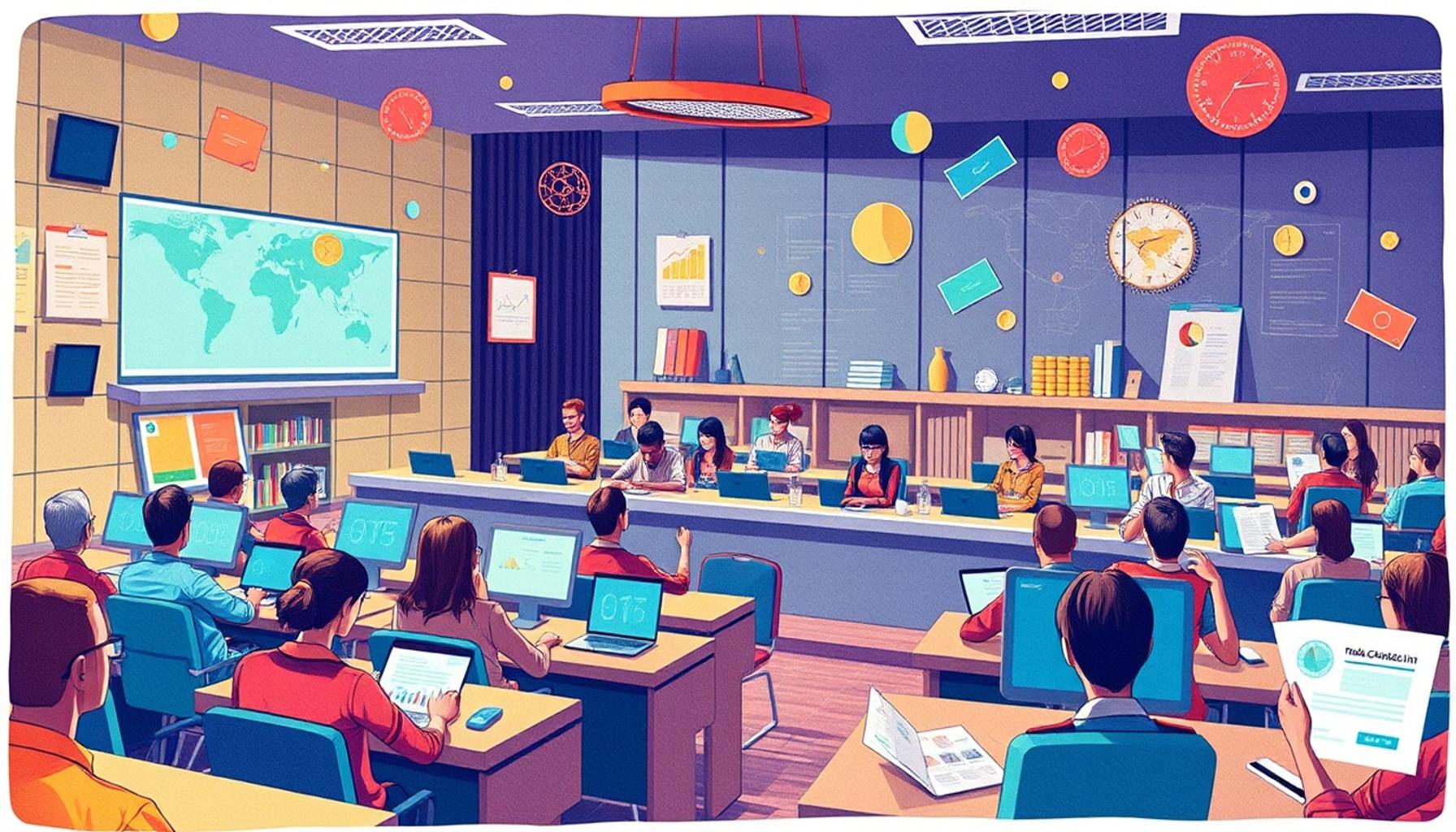
In recent years, we have witnessed a significant transformation in the educational landscape, largely driven by advancements in technology. Hybrid education, which merges traditional in-person teaching with online learning methodologies, has emerged as a powerful approach that caters to the diverse needs of today’s students. This innovative model is gaining traction in classrooms across the United States, allowing educators to not only enhance academic engagement but also equip students with essential skills for the digital age.
Key Features of Hybrid Education
At the heart of hybrid education lies a combination of flexibility, accessibility, and personalized learning. Below are some of the crucial elements that characterize this approach:
- Blended Learning: This model allows students to benefit from both in-person instruction and online learning experiences. For example, a student might attend a physical classroom for lectures twice a week while completing assignments and discussions through a digital platform on other days. This combination supports varied learning styles, enabling students to progress at their own pace and revisit materials as necessary.
- Interactive Tools: Technology platforms such as Google Classroom, Zoom, and Microsoft Teams play an integral role in facilitating real-time collaboration. These tools allow students to engage in discussions, share ideas, and receive immediate feedback from peers and instructors, enriching the learning experience. For instance, using breakout rooms in Zoom, educators can create smaller discussion groups where students can collaborate on projects or explore topics in-depth.
- Resource Accessibility: One of the most significant advantages of hybrid education is the availability of learning materials anytime and anywhere. Students can watch recorded lectures, review digital handouts, or access online resources as needed. This accessibility empowers learners to take charge of their education, allowing them to explore topics beyond the confines of the classroom.
The Relevance of Hybrid Education
The shift toward hybrid educational models is contingent upon recognizing the demands of modern society. As technology continues to permeate every aspect of our lives—from remote work environments to online shopping—the ability to navigate digital tools becomes essential for success. By integrating hybrid education, schools not only enhance students’ academic performance but also prepare them for future job markets, where digital literacy is increasingly required.
Moreover, embracing this innovative approach fosters a more dynamic and inclusive learning environment. It recognizes that no two students are alike, and offers a spectrum of methods to accommodate varying learning preferences. In turn, this leads to greater student engagement, motivation, and ultimately better learning outcomes.
In conclusion, as we move forward in this digital era, the adoption of hybrid education is transforming the classroom experience in the United States. By combining traditional and digital teaching methods, educators are not only making learning more interactive and accessible but are also equipping students with the essential skills needed to thrive in an ever-evolving world. The future of education is here, and it is a blend of the best of both worlds.
DISCOVER MORE: Click here to delve deeper
The Evolution of Teaching Methods
The introduction of hybrid education has spurred a re-evaluation of traditional teaching methods, emphasizing a shift from teacher-centered approaches to learner-centered practices. In conventional classroom settings, teaching often relies heavily on lectures, where the educator transmits knowledge to students who passively absorb the information. However, in a hybrid model, this dynamic changes significantly, allowing for student participation and interaction to take the forefront.
This evolution encourages educators to adopt a range of pedagogical strategies that align with the principles of active learning. For example, instructors can utilize flipped classroom techniques, where students are assigned online lectures or readings as homework, freeing up classroom time for discussions and hands-on activities. This approach not only promotes deeper understanding but also fosters a sense of community within the classroom, as students engage with one another and their teachers in a more meaningful way.
Benefits of Hybrid Education
As educational institutions integrate hybrid models, they unlock a variety of benefits that resonate with the needs of modern learners. These include:
- Enhanced Personalization: One of the key advantages of hybrid education is its ability to cater to individual learning styles and paces. With online components, students can revisit challenging subjects and reinforce their understanding at their convenience, tailoring their educational journey to their unique needs.
- Improved Engagement: By incorporating technology, hybrid education captures the interest of digitally-savvy students. Interactive elements, such as quizzes, video discussions, and collaborative projects, encourage active participation. For instance, educators can use platforms like Kahoot! or Quizlet to create lively review sessions, turning assessments into engaging activities.
- Development of Critical Skills: Hybrid education equips students with essential skills beyond academic knowledge. Navigating digital tools and platforms ensures that they become proficient in technologies they’ll use in future workplaces. Skills such as digital communication, online research, and virtual collaboration are increasingly vital as industries embrace remote and flexible work environments.
As we continue to explore the implications of hybrid education, it is vital to recognize the ongoing adaptation required on the part of educators and students alike. Teachers must rethink lesson plans and accommodate various technologies while students learn to take charge of their education in this blended environment. Together, they cultivate a proactive learning culture that fosters both academic achievement and personal growth. With these preparations, schools can ensure that students are not only equipped with knowledge but are also ready to seize opportunities in an ever-changing digital landscape.
DIVE DEEPER: Click here to learn about the ethics of automation
Challenges and Considerations in Implementing Hybrid Education
While the benefits of hybrid education are substantial, the path to fully integrating this model into classrooms is not without its challenges. School districts, educators, and students must navigate a range of hurdles to ensure successful implementation. Understanding these challenges is crucial to making informed decisions about hybrid education.
Technology Accessibility
One of the foremost challenges is ensuring equitable access to technology. Not all students have the same level of access to high-speed internet or devices necessary for effective online learning. Disparities in access can hinder academic progress and exacerbate existing inequalities. Educational institutions need to devise strategies to provide resources, such as loaner laptops or subsidized internet access, especially for those from lower-income households.
Teacher Training and Support
Another critical consideration is the need for comprehensive professional development for educators. Teachers must be adept at using various digital tools and platforms to interact effectively with students in a hybrid setting. Additionally, they should feel comfortable transitioning between in-person and online instruction seamlessly. Districts can support their educators through ongoing training sessions, workshops, and peer collaboration that enable them to share strategies and best practices.
Student Readiness and Motivations
Student engagement can also be a double-edged sword in hybrid education. While technology can enhance interest, not all students may be motivated or prepared for this new learning environment. Some learners might struggle with __time management or Self-discipline, particularly when transitioning to an online component. To address this, educators can implement structured schedules and provide guidance on goal-setting strategies. Encouraging students to take ownership of their learning helps foster independence and motivation.
Curriculum Adaptation
Adapting the curriculum to meet the needs of a hybrid model presents another significant challenge. Teachers need to develop content that is suitable for both physical and digital classrooms, ensuring that lessons remain engaging and relevant. This might involve incorporating multimedia elements and fostering interactive discussions that transcend the limitations of traditional instruction. Collaboration among educators to share resources and insights can enhance the overall curriculum, helping instructors seamlessly integrate various teaching methods.
Assessing Learning Outcomes
Assessment practices must also evolve in a hybrid education framework. Traditional testing methods may not effectively measure student understanding in diverse modalities, so educators must rely on formative assessments that provide ongoing feedback and insights into student progress. Utilizing a mix of projects, presentations, and online quizzes can create a more comprehensive picture of student learning while allowing for adjustments in teaching strategies. Moreover, leveraging technology for assessments not only allows for immediate results but also prepares students for future digital assessments often seen in higher education and the workforce.
Ultimately, navigating the challenges of hybrid education requires collaborative effort and commitment from all stakeholders. By addressing these issues head-on through innovation, resourcefulness, and compassion, educators can create enriching educational experiences that truly reflect the needs of 21st-century learners.
DIVE DEEPER: Click here to learn more
Conclusion
In summary, hybrid education represents a transformative leap in how we approach learning in the 21st century. By merging traditional teaching methods with cutting-edge technology, this educational model promotes greater flexibility and accessibility, catering to a diverse range of learning styles and needs. However, as we navigate the exciting landscape of hybrid classrooms, it is essential to recognize and address the inherent challenges that accompany this shift.
Equitable access to technology, comprehensive training for educators, and tailored support for students remain pivotal in ensuring a successful integration of hybrid education. Educational institutions must adopt a proactive stance, implementing strategies that not only tackle these challenges but also foster a collaborative environment where all stakeholders can thrive. Inclusive practices, such as providing learning resources and encouraging educator sharing, increase the likelihood of success in hybrid settings.
Furthermore, as we advance into a technology-driven future, embracing innovation in curriculum and assessment methodologies will be crucial. This evolution can help create a rich and engaging learning experience that prepares students for the complexities of the modern world. By prioritizing student readiness and promoting self-directed learning, we empower learners to take control of their education.
Ultimately, the journey towards successful hybrid education is a collective responsibility that demands dedication, creativity, and a commitment to equity. As we harness the potential of the digital revolution, we must remain focused on fostering an inclusive and dynamic educational landscape that shapes empowered and capable individuals ready to tackle the challenges of tomorrow.

Linda Carter
Linda Carter is a writer and expert known for producing clear, engaging, and easy-to-understand content. With solid experience guiding people in achieving their goals, she shares valuable insights and practical guidance. Her mission is to support readers in making informed choices and achieving significant progress.