The Effects of Social Media on the Dynamics of Interpersonal Relationships

Understanding the Impact of Social Media
Social media has fundamentally changed the way we engage with one another, breaking down geographical barriers and fostering connections with people from diverse backgrounds and cultures. Through platforms like Facebook, Instagram, Twitter, and TikTok, individuals can share their lives, thoughts, and experiences with a vast audience. However, the implications of this connectivity on interpersonal relationships are intricate and varied, often leading to both positive and negative outcomes.
In the digital age, the dynamics of social interactions are evolving, requiring us to adapt to new norms and expectations. Below are several key areas where social media significantly impacts our relationships:
- Communication Styles: Traditional face-to-face communication is increasingly being supplemented, and often replaced, by digital exchanges such as texting, direct messages, and emojis. This shift changes how we express emotions; for instance, a simple smiley face or a heart can convey sentiments that were once articulated through verbal communication. While this can enhance the speed and efficiency of interactions, it may also lead to misunderstandings, as non-verbal cues are often lost in the digital format.
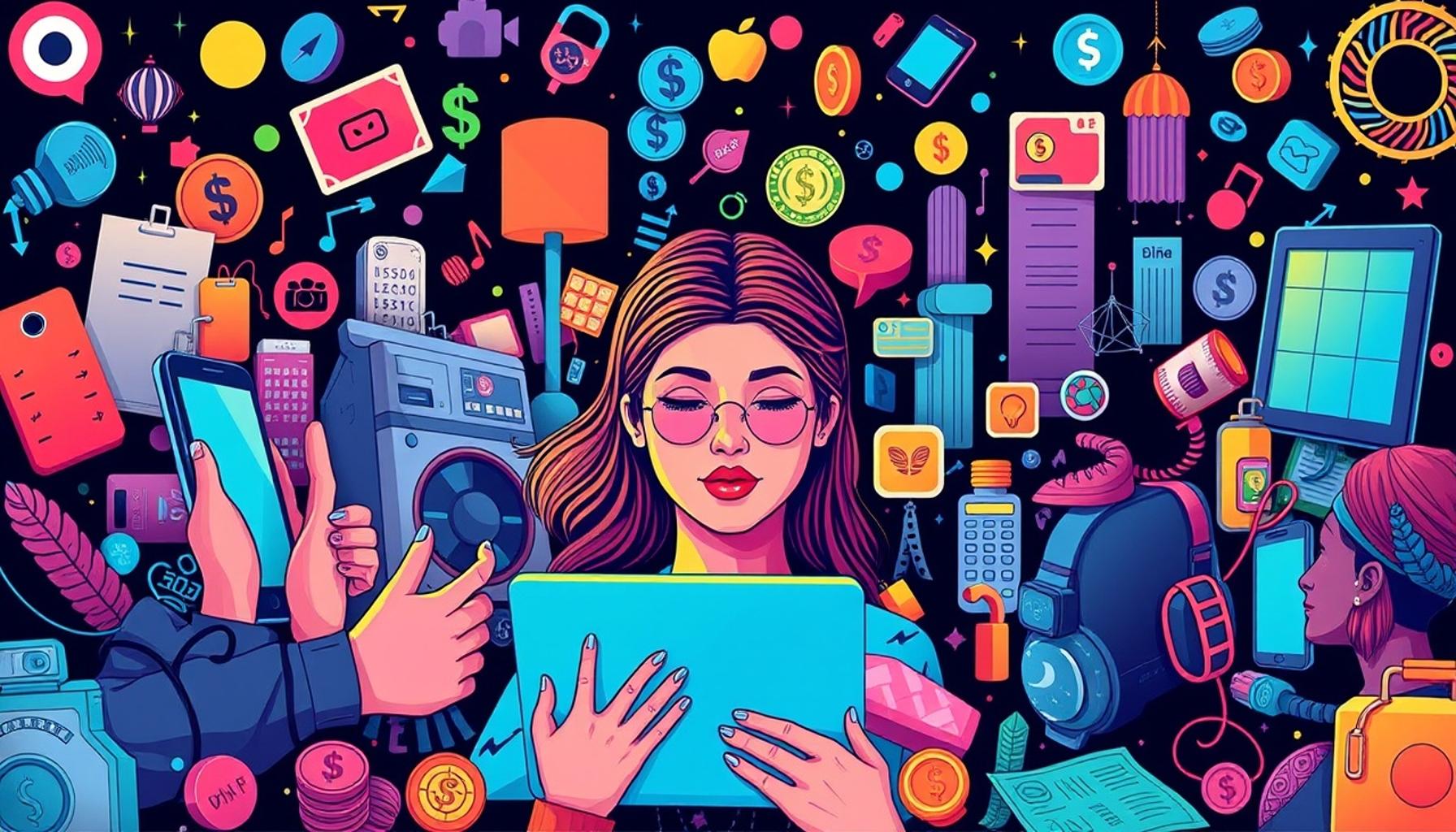
- Social Expectations: The curated nature of social media encourages users to project an idealized version of their lives, leading to a phenomenon known as “social comparison.” This pressure to maintain a perfect online persona can foster anxiety and feelings of inadequacy. For example, a young woman scrolling through Instagram might feel disheartened by the flawless vacation photos of her peers, leading her to question her own life choices or experiences.
- Relationship Dynamics: Social media can significantly influence friendships and family relationships. Online interactions may solidify bonds but can also introduce friction. For instance, if one friend posts a photo from an event without inviting another friend, it might cause feelings of exclusion or betrayal. On the flip side, maintaining connections through likes and comments can enhance feelings of belonging and support amongst friends, especially for those who may feel isolated in their everyday lives.
Understanding the implications of social media on our interactions is crucial because it affects not only our personal connections but also our mental health and overall wellbeing. By examining these impacts, we can cultivate healthier online habits and more meaningful relationships. Balancing our digital engagements with authentic in-person interactions remains essential, as we strive to navigate the complexities of relationships in a socially mediated world.
DISCOVER MORE: Click here to learn about blockchain applications beyond cryptocurrencies
Communication in the Digital Age
The way we communicate has undergone a revolutionary transformation due to social media. Traditional face-to-face conversations, which allow for rich, nuanced interactions filled with vocal tone, facial expressions, and body language, are increasingly being substituted with digital messages that can lack emotional depth. For example, when friends text each other instead of meeting in person, they may miss out on crucial non-verbal cues that enhance understanding. This shift has led to a change in how we interpret the meaning behind our messages.
Consider the use of emojis. A simple smiley face might seem innocent, yet it can be interpreted in various ways depending on the context and the relationship between the individuals involved. It can signal happiness, sarcasm, or even indicate an attempt to keep the conversation light while avoiding deeper issues. This ambiguity can lead to miscommunications and potentially strain relationships when either party misreads the intent behind a message.
Additionally, the prevalence of texting and instant messaging has influenced the expected pace of communication. In our fast-paced digital world, immediate responses are often anticipated, leading to pressure to be consistently available. If one person takes too long to reply, it can trigger feelings of annoyance or concern in the other, who may wonder if something is wrong. This new norm can create frustration or anxiety, which, if unaddressed, can affect the quality of the relationship.
Social Comparison and Its Consequences
Another important aspect influenced by social media is the concept of social comparison. Users frequently share curated snapshots of their lives, showcasing accomplishments and memorable moments. This selective sharing may lead others to inadvertently compare their realities with the idealized images being presented. For instance, a young man scrolling through his social feed may see photos of friends enjoying lavish vacations or attending events he wasn’t invited to. Such comparisons can foster feelings of inadequacy and a distorted perception of one’s life.
Moreover, the constant exposure to these highlight reels affects mental health. Studies have shown that individuals who engage heavily with social media can experience increased levels of anxiety and depression, as they grapple with feelings of inadequacy against the often unrealistic standards portrayed online. It’s essential for users to be aware of these dynamics to mitigate negative impacts on their self-esteem and relationships.
The challenges introduced by social media do not only concern how we communicate but also how we perceive our own social standing. Striking a balance between authentic self-expression and the pressure to present oneself in a certain way is vital in navigating our relationships successfully. By becoming aware of these factors, we can begin to manage our online presence and interactions more thoughtfully.
DISCOVER MORE: Click here to learn about the future of education
The Impact of Social Media on Conflict and Resolution
In the realm of interpersonal relationships, conflict is an inevitable part of human interaction. However, the way we approach conflict has significantly altered as a result of social media. Traditionally, disagreements would often be addressed face-to-face, allowing for a direct conversation where both parties could express their feelings and intentions clearly. In contrast, conflicts that arise online can become magnified and misrepresented, as they often lack the constructive dialogue necessary for resolution.
When disagreements occur through social media, the potential for misunderstandings increases dramatically. For instance, a comment made on a social media post can be interpreted in a hostile manner, even when the intention was harmless. Without the ability to observe body language or hear vocal inflections, the parties involved may escalate a minor issue into a significant conflict due to miscommunication. As a result, relationships may suffer as individuals find themselves caught in a cycle of negativity and backlash.
Interestingly, social media can also facilitate conflict resolution in unique ways. For example, many people may feel more comfortable addressing sensitive subjects through a direct message rather than face-to-face. This method allows for time to think and the opportunity to phrase their thoughts carefully without the immediate pressure of an in-person conversation. However, even this method carries risks; if the message is not well crafted, it can still lead to misinterpretations. The added layer of anonymity can sometimes embolden users to say things they would not dare to utter in person, thus creating a more toxic environment.
The Role of Online Support Networks
On a more positive note, social media offers avenues for support that can enhance interpersonal relationships. Online communities provide individuals with the opportunity to connect with others who share similar interests or struggles. For instance, someone facing challenges in their personal life may find solace in a support group on platforms like Facebook or Reddit where they can share experiences and gain empathy from others. This aspect of social media can bridge gaps between individuals, particularly when those in the physical vicinity may not understand or be equipped to support them.
Moreover, social media allows for the quick dissemination of information, which can lead to activism and support for local and global causes. Friends and acquaintances can rally together around shared interests or beliefs, creating a sense of camaraderie and unity. This collective effort can strengthen interpersonal relationships as individuals bond over shared goals or challenges, cultivating a spirit of collaboration that transcends geographical boundaries.
However, while these online support networks can prove beneficial, they also have their downsides. The challenge lies in differentiating between meaningful support and superficial interaction. The quick ‘likes’ or comments on a post may give the illusion of support, but often fail to provide the depth of connection that comes with face-to-face conversations. It is essential for individuals to recognize the differences between genuine understanding and the convenience of online interactions in order to foster deeper, more meaningful relationships.
DIVE DEEPER: Click here to uncover more insights
Conclusion
In summary, social media has profoundly influenced the dynamics of interpersonal relationships, creating both opportunities and challenges. On one hand, it facilitates connection and support, allowing individuals to share their experiences, seek help, and bond over shared interests regardless of geographical barriers. Online communities can serve as critical lifelines for those experiencing loneliness or distress, effectively broadening the support system available to many.
On the other hand, social media can exacerbate misunderstandings and conflicts. The absence of non-verbal cues often leads to misinterpretations, turning minor disputes into significant rifts. Additionally, the convenience of online interactions can sometimes foster superficial connections that lack the emotional depth of face-to-face conversations. It is crucial for individuals to be mindful of these dynamics and strive for a balance between online and offline interactions.
Ultimately, the effects of social media on interpersonal relationships underscore the importance of communication, empathy, and understanding. By recognizing the nuances of online interactions and prioritizing genuine connections, individuals can navigate the complexities introduced by social media in a healthier and more constructive manner. Moving forward, fostering emotional intelligence and practicing patience in communication—both online and offline—will be essential in maintaining strong and meaningful relationships in our increasingly digital world.

Linda Carter
Linda Carter is a writer and expert known for producing clear, engaging, and easy-to-understand content. With solid experience guiding people in achieving their goals, she shares valuable insights and practical guidance. Her mission is to support readers in making informed choices and achieving significant progress.